Creating dance content is an exciting opportunity for dancers, choreographers, and enthusiasts alike. The rise of social media platforms has opened new avenues for sharing and promoting dance. As a result, crafting engaging dance content can captivate audiences and build a loyal following.
With advancements in technology and easy access to recording devices, anyone can create quality dance videos and tutorials. However, effective content creation involves planning, creativity, and a clear understanding of your target audience. In this article, we will explore essential strategies to enhance your dance content creation process.
From determining your niche to utilizing social media effectively, we’ll provide a comprehensive guide on how to create impactful dance content. Whether you’re a beginner or an experienced dancer, these insights will help you elevate your online presence.
Define Your Dance Niche
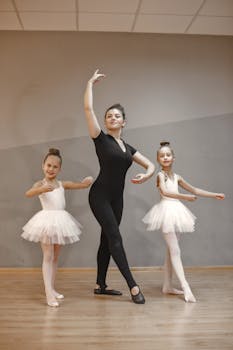
Identifying your dance niche is the first step in creating meaningful content. Whether it’s ballet, hip-hop, contemporary, or another style, focus on what resonates with you. This clarity will guide your creative direction.
Consider the audience you wish to attract. Each dance style has its own community and preferences, so understanding these dynamics helps tailor your content accordingly. Define what sets you apart from others.
Once you determine your niche, brainstorm specific themes or concepts within that style. For example, create tutorials for beginners or share advanced choreography tips. This focused approach makes your content invaluable.
Analyzing competitors can also clarify your unique selling points. Observe what works for them and reflect on how to innovate within your space. The goal is to find a balance between personal expression and audience engagement.
With a well-defined niche, you can create targeted content that speaks directly to your intended audience. This specificity increases the likelihood of building a dedicated following.
Plan Your Content Strategy
Having a structured content strategy is vital for consistency and growth. Start by outlining what types of content you wish to create, including dance tutorials, performances, or behind-the-scenes footage.
Establishing a content calendar can streamline your production process. Include important dates, themes, and any relevant trends to take advantage of seasonal engagement. This foresight helps maintain a steady posting schedule.
Incorporate audience feedback into your strategy. Engaging with your followers will provide insights into what content they enjoy or want more of. This dialogue fosters a sense of community and enhances loyalty.
Also, consider collaboration opportunities. Working with other dancers or creators expands your audience and brings fresh perspectives to your content. Identify potential partners and plan joint projects that showcase both of your unique talents.
Lastly, be flexible with your strategy. As trends and audience preferences can change rapidly, adapting your approach ensures your content remains relevant and engaging.
Invest in Quality Production
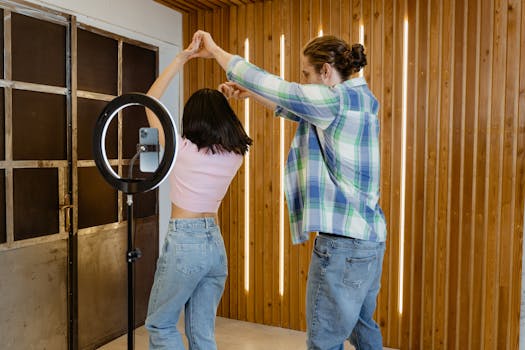
Quality matters significantly when it comes to dance content. Invest in decent recording equipment, such as a camera with high-definition capabilities or even a smartphone with a good camera. Clear visuals enhance the viewer’s experience.
Lighting also plays a crucial role in production quality. Natural lighting or soft artificial lights can make your dance videos appear more professional. Proper lighting highlights movement and enhances the overall aesthetic.
Background settings are essential as well; choose clean, uncluttered spaces that complement your dance style. Avoid distractions in the frame that can take away from the dance performance.
Sound quality should not be overlooked; clear audio is vital, especially when teaching. Invest in a lapel mic for tutorials or ensure the music is loud enough without overpowering your voice during instructions.
Finally, don’t shy away from editing. Basic editing skills can increase the polish of your final product. Use simple editing software to cut unnecessary sections and enhance transitions.
Create Engaging Tutorials
Creating tutorials is an excellent way to share your expertise and build your audience. Begin by selecting specific moves or routines to teach and breaking them down into manageable steps for your viewers.
Start each tutorial with a brief introduction, explaining what you will cover. This sets expectations and engages viewers from the beginning. Use clear, simple language, especially if targeting beginners.
During the tutorial, demonstrate each step slowly and clearly. Showing multiple angles can offer greater insight, allowing dancers to understand the movements better. Repeat difficult sections to help reinforce learning.
Encourage viewers to interact by asking them to post their progress in response to your tutorials. This fosters a sense of community and motivates further engagement.
Lastly, consider creating a series of tutorials to build on previous content. This ongoing engagement can lead to improved viewer retention and encourages your audience to come back for more.
Utilize Social Media Effectively
Social media serves as a powerful tool for promoting dance content. Start by selecting platforms where you believe your target audience is most active, such as Instagram, TikTok, or YouTube.
Create a posting schedule that aligns with peak engagement times for your followers. Regularly sharing content keeps your audience informed and connected, increasing the likelihood of interaction.
Use relevant hashtags to maximize reach and visibility. Research popular hashtags in your dance niche and incorporate them into your posts to attract more followers.
Engagement is key; respond to comments and messages promptly. This interaction shows appreciation for your audience and can encourage more viewers to engage with your content.
Finally, cross-promote your content across different platforms. For example, share snippets of your YouTube videos on Instagram, encouraging followers to check out the full version. This strategy drives traffic and diversifies your audience.
Analyze Performance Metrics
Measuring the performance of your dance content is crucial for understanding what works and what doesn’t. Utilize metrics available on social media platforms, like likes, shares, comments, and overall reach.
Identify which types of content generate the most engagement. Are tutorials more popular than performances? This analysis can guide your future content creation efforts and help refine your strategy.
Consider using tools like Google Analytics to monitor traffic to your dance content website or blog. Understanding where your audience comes from can help tailor your future promotions.
Surveys can also be beneficial. Ask your followers what they enjoy and what areas they’d like to see improvement in. This direct feedback loop helps you stay relevant.
Regularly review and adapt your content based on your findings. Being proactive in analyzing performance ensures your dance content remains engaging and valuable to your audience.
Conclusion
Creating captivating dance content involves clear definition, planning, quality production, and effective engagement strategies. By honing your skills in these areas, you’ll be poised for success. Remember to be adaptive and responsive to your audience’s needs.
Your unique style and creativity will shine through your content, attracting a dedicated following. Stay committed to your journey, and continue experimenting with new ideas and techniques.
In the world of dance, sharing your passion can inspire others, foster community, and propel your own growth as a dancer. Embrace the process, and let your creativity flow!